Electronics cleanrooms
Cleanrooms for electronics assembly and test.
Particle control, anti-static finishes and stable temperature and humidity for your production line.
What matters
Designed around your process
- FFU layout matched to the production line
- Floor and wall finishes chosen for static control
- Temperature and humidity targets agreed by zone
- Phased expansion planned from the first layout
Rooms
Common room types
| Room | Common class |
|---|---|
| Precision assembly | ISO 5–7 |
| Test and inspection | ISO 6–8 |
| Packaging | ISO 7–8 |
| Gowning | ISO 7–8 |
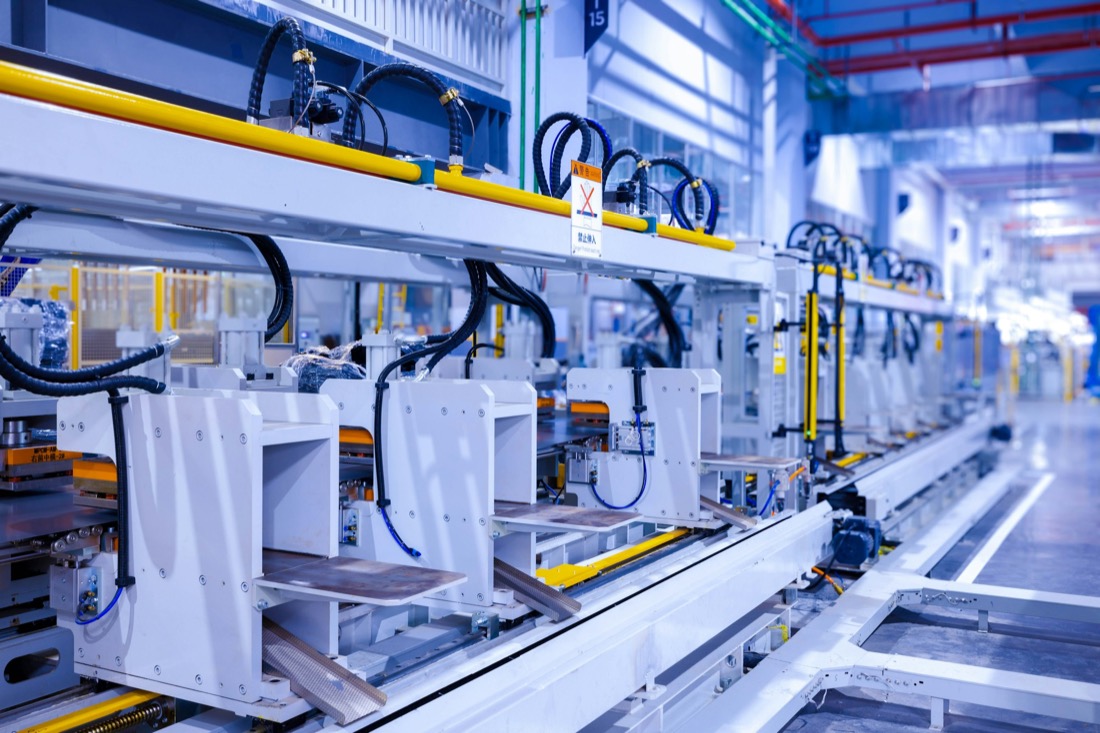
Typical classes, confirmed with your process, product and regulator. Sector photos are illustrative.
How your product sets zones and class
Your product sets two things. One is how clean the air must be. The other is how static-safe every surface must be. Common rooms are precision assembly, test, packaging and gowning. China's electronics code is GB 50472-2008 (issued 15 Dec 2008, in force 1 July 2009). Its Appendix A lists air cleanliness classes by product. Read it against your own product. Mark the ESD protected rooms on your room list.
ANSI/ESD S20.20-2021, from the ESD Association, covers the ESD control program for parts that static can damage. It asks for a written control plan and a compliance verification plan.
Pressure and anti-static values
These are limits printed in GB 50472-2008, clauses 7.1.6 and 13.2. The particle class itself comes from your product.
| Item | GB 50472 value |
|---|---|
| Clean room next to a room of different class | At least 5 Pa |
| Clean room to non-clean room | More than 5 Pa |
| Clean room to outdoors | More than 10 Pa |
| Grade I anti-static floor and wall surface | 2.5×10⁴ to 1×10⁶ ohm |
| Grade II anti-static floor and wall surface | 1×10⁶ to 1×10⁹ ohm |
Rules and standards that apply
Grade I and II areas also have limits on charge voltage and static half-life. The code covers doors, windows, ceilings and flexible curtains, not only floors. It adds a chapter on micro-vibration control, with example permissible values for precision equipment in Appendix C. Customers often ask for ANSI/ESD S20.20 as well. Send the one your customer names.
Common design mistakes
Anti-static floor, but ordinary doors and walls. Clause 13.2 covers all surfaces in the ESD area.
Ungrounded air outlets and ducts. Clause 13.2.5 asks for conductive, grounded outlets and pipes.
No static eliminators or anti-static benches in the plan. Clause 13.2.7 asks for them where the process needs them.
Vibration left until the tools arrive. Chapter 15 covers micro-vibration control design.
What to send for a scope
Send your product and process description, the ESD sensitivity of your parts and the line layout. Add equipment heat loads, vibration limits for sensitive tools, your ESD control plan and the future expansion plan. Say which rooms hold ESD-sensitive parts and which customer audits apply.
Questions
Common questions
Does ANSI/ESD S20.20 set a cleanroom class?
No. It sets requirements for an ESD control program. Particle class is a separate choice from your product.
Which anti-static standard applies in China?
GB 50472-2008 covers anti-static design in electronics clean buildings. Many customers also ask for ANSI/ESD S20.20. Send the one your customer names.
What pressure between the cleanroom and a corridor?
GB 50472 asks for more than 5 Pa to a non-clean room and more than 10 Pa to outdoors. Your process owner may set more.
Sources
Standards
Designed to ISO 14644 requirements
We design and build to the standard your project specifies. Finished rooms are tested against the agreed ISO 14644 class. CE-marked and FM-approved panels can be supplied for projects that require them, and other product certification can be arranged for your project. Independent third-party room testing can also be arranged.
On site
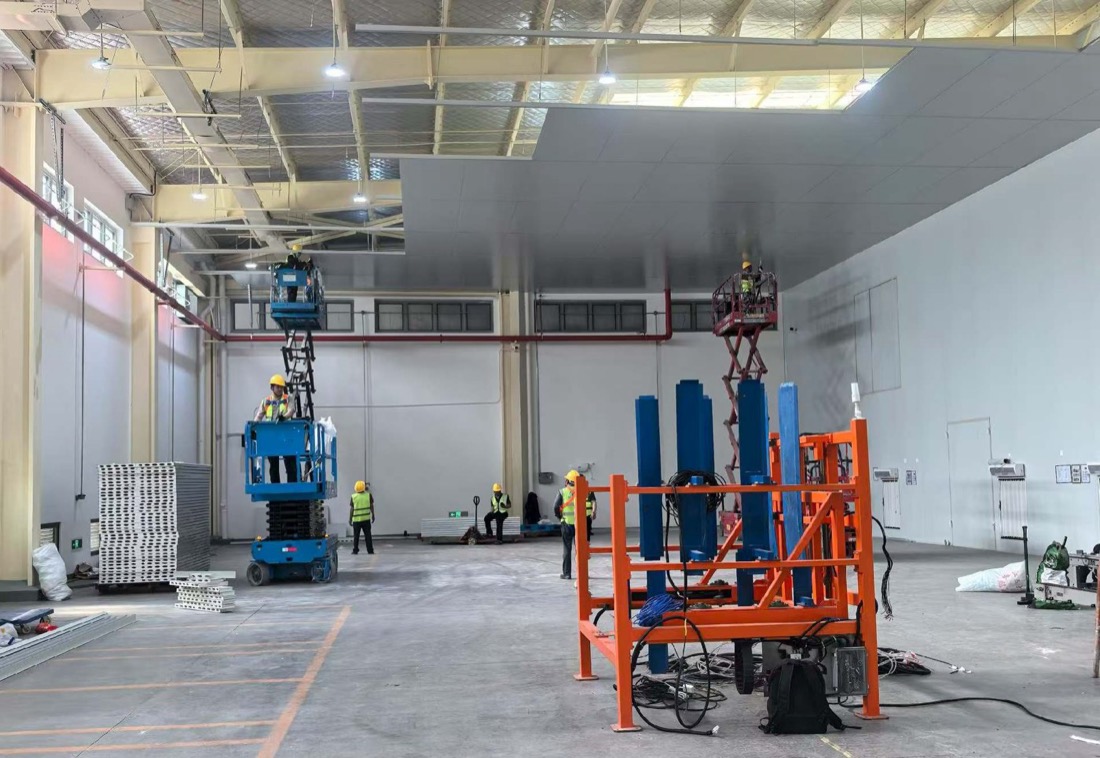
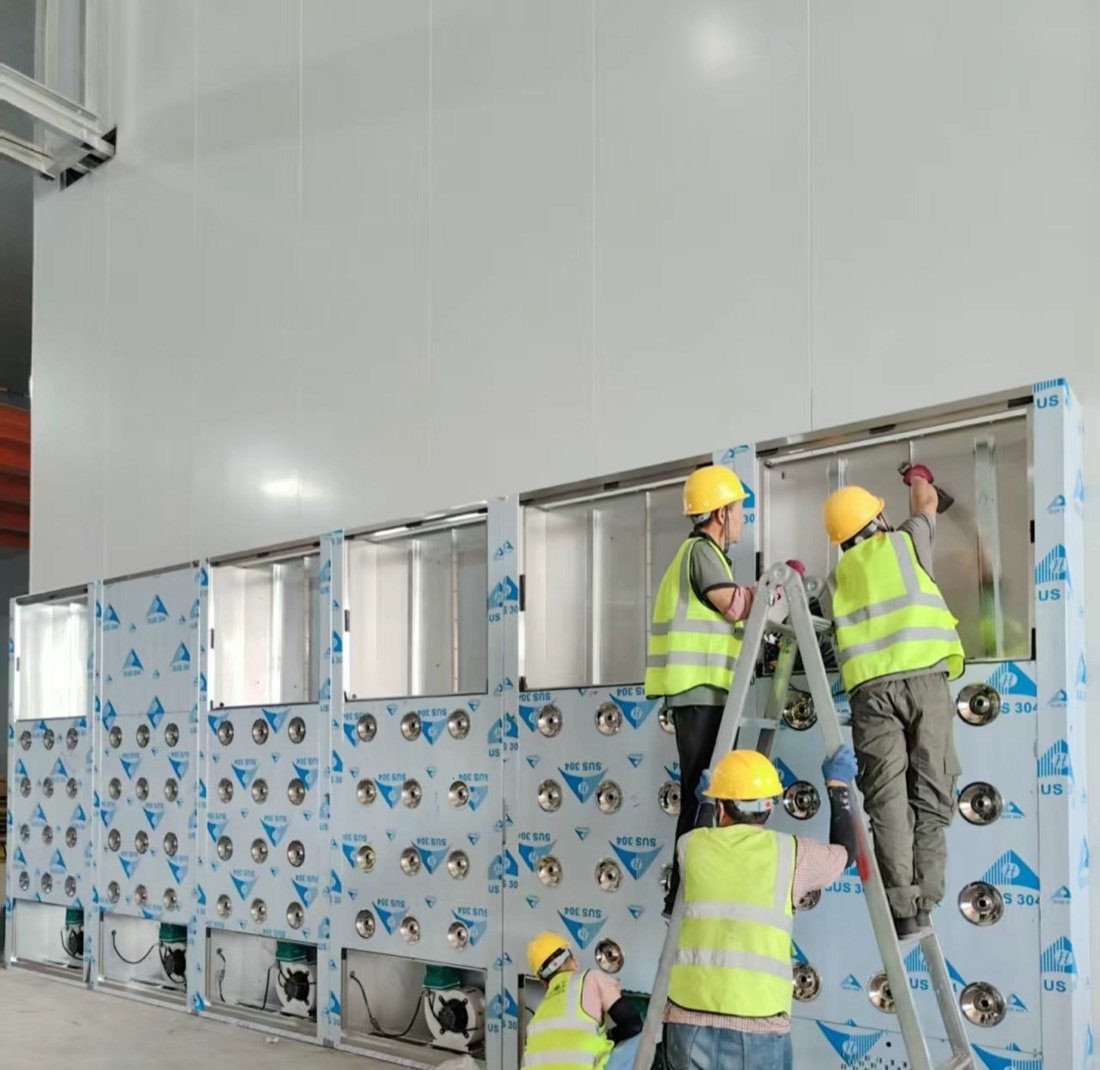
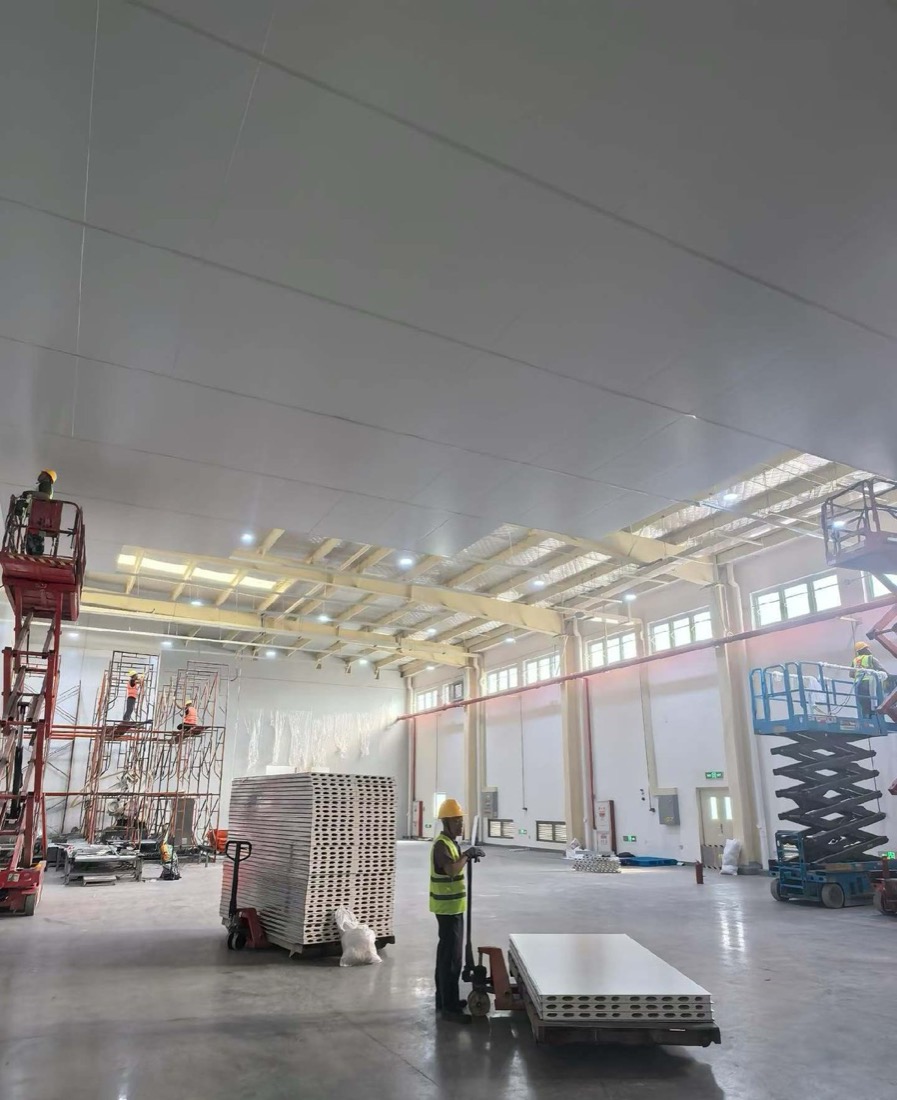
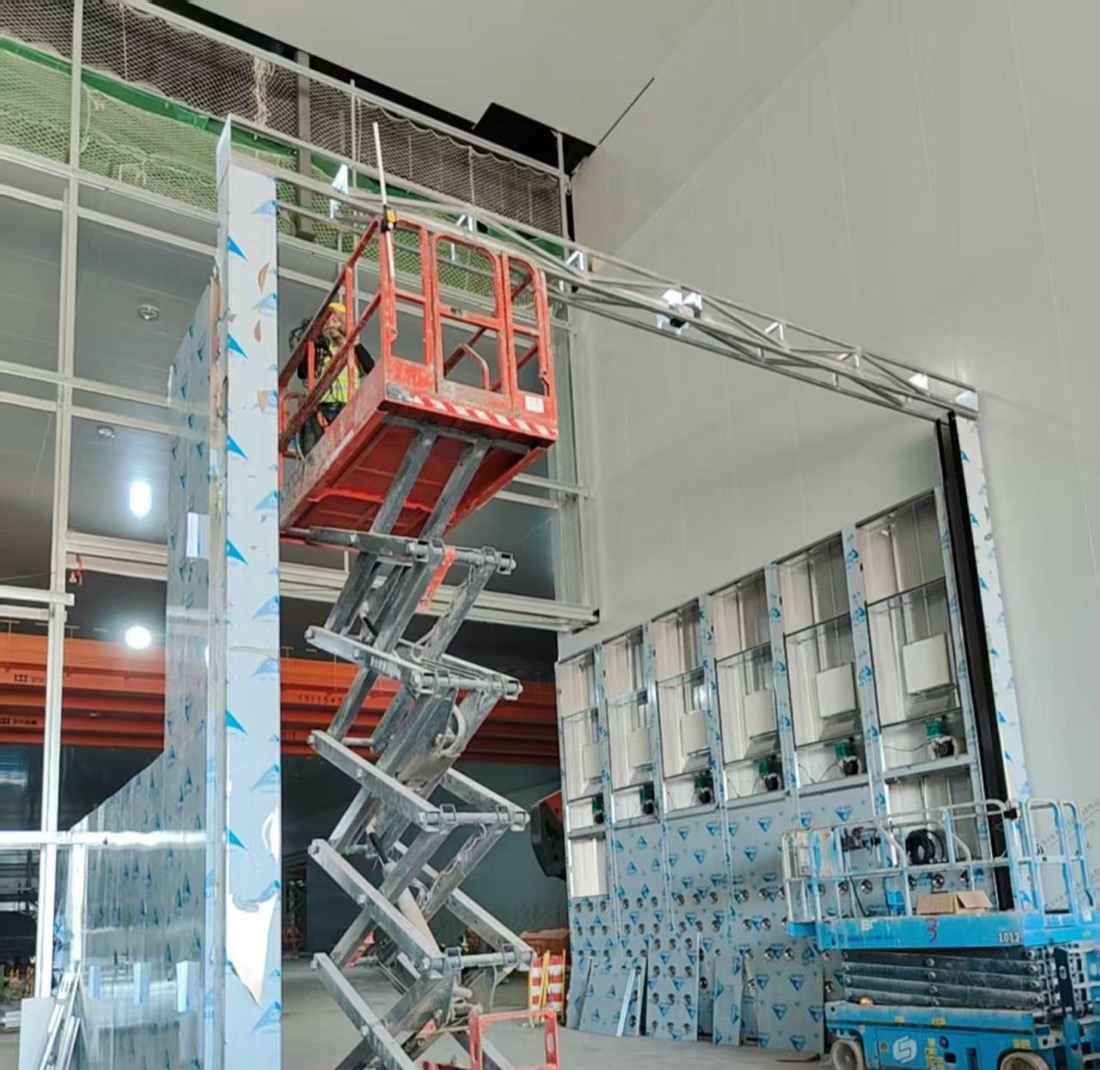
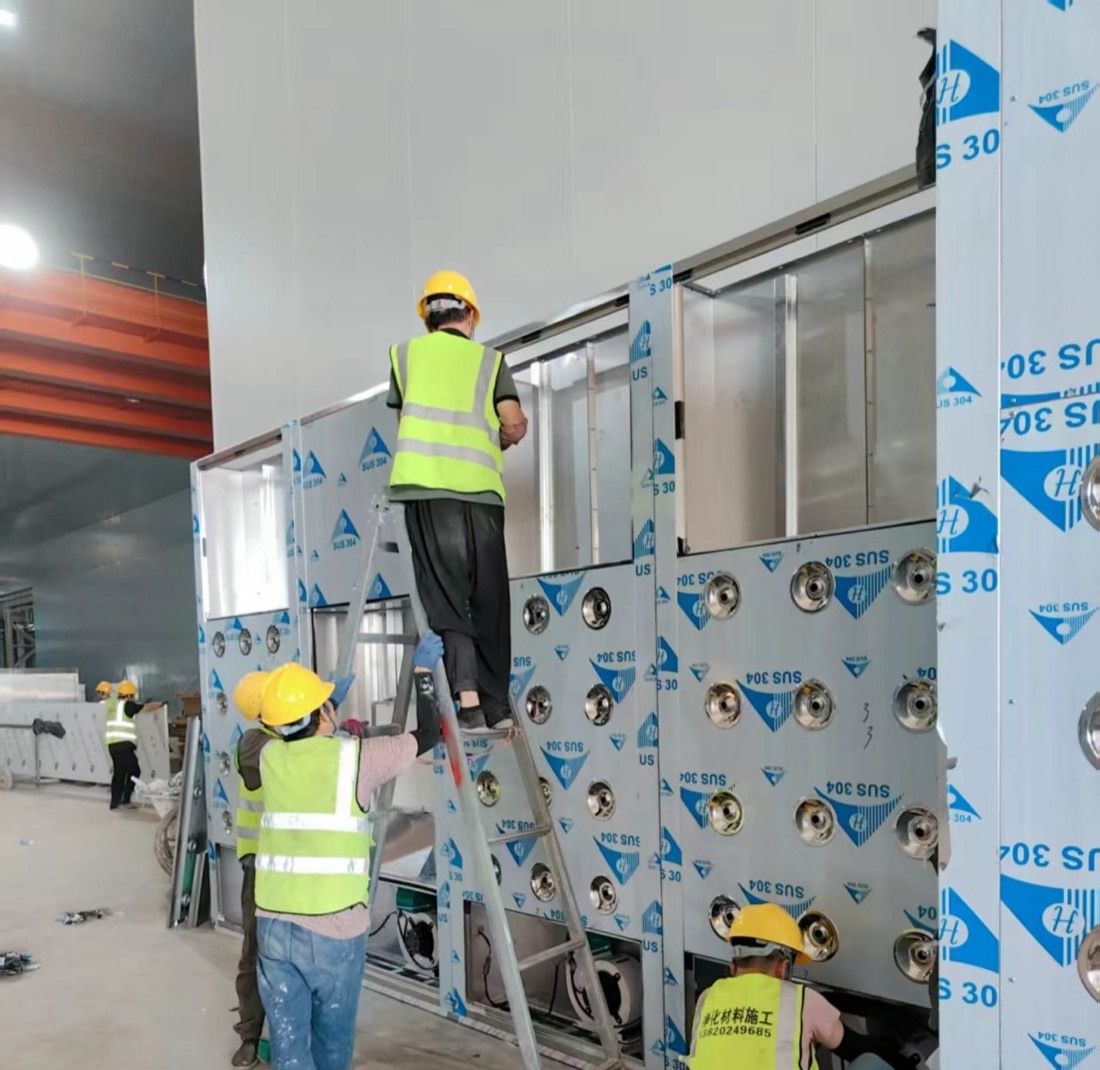
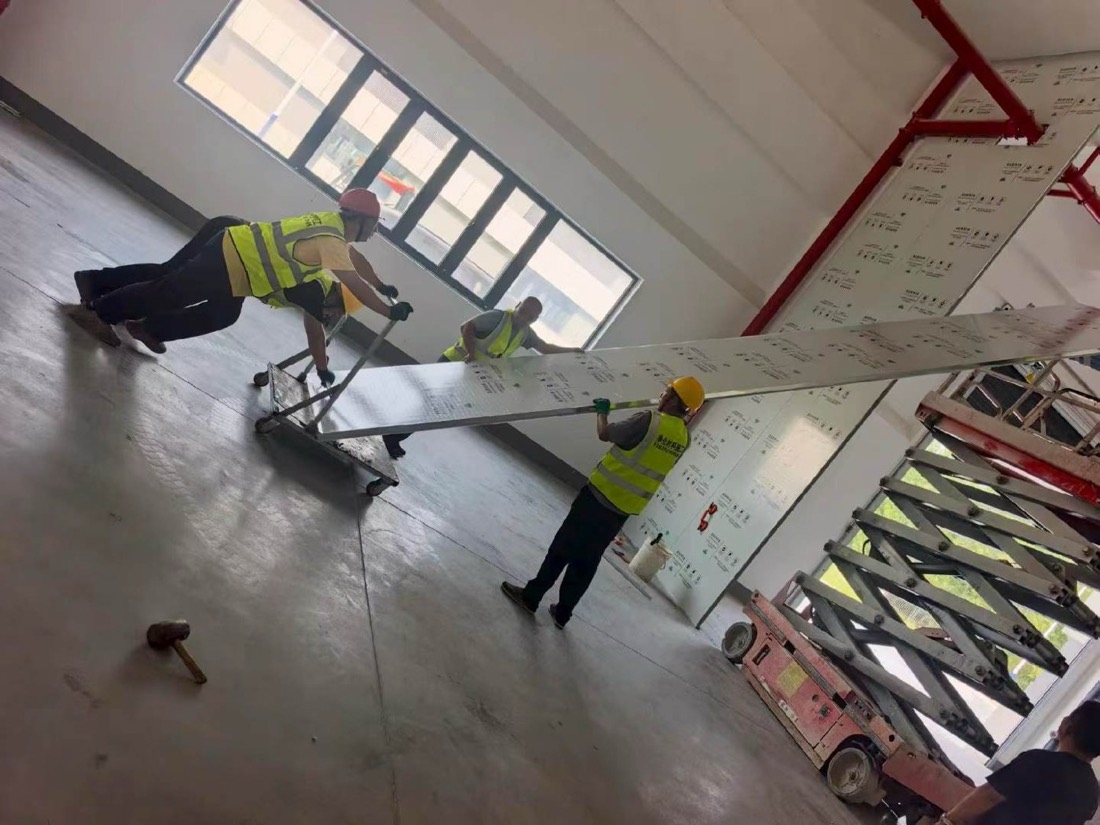
Our crews at work
Panel walls, ceilings and air showers going in on cleanroom projects.
Proof
What you can verify today
ISO certificates
ISO 9001, 14001 and 45001 certificates for production of metal building components, available on request.
Live video factory tour
Walk our panel lines by video before you order. Ask for a time.
Project record
380+ projects for 210+ customers since 2023. References include hospitals and export projects in Indonesia, Iraq, Mongolia, Mexico and Costa Rica.
Payment and inspection
Payment by T/T or L/C. You can appoint an inspection company of your choice to check the goods before loading.
From our order book
PCB cleanroom orders, 2023 to 2026
| Year | Client and site | Panels supplied | Scope |
|---|---|---|---|
| 2023 | PCB maker, laser-drill cleanroom, Tianjin | 50 mm rock wool panels, 100 kg/m³, 0.5 mm white steel both faces; hand-made MgO-faced panels | Supply and installation |
| 2024 | PCB maker, workshop ceiling retrofit, Tianjin | Cleanroom ceiling panels; 90% paid after the client's acceptance | Supply and installation |
| 2026 | PCB maker, further workshop project, Tianjin | Engineering contract for the workshop | Supply and installation |
Taken from our sales contracts. Client names are withheld; references can be arranged on request. All cleanroom orders
Project enquiry
Send what you have
A room list, a floor plan or only the floor area is enough to start. After you submit, send drawings by email or WhatsApp.
We reply by email within one working day. We can sign an NDA before you send drawings.
WhatsApp +44 7962 561184 is our UK number for export enquiries. The factory is in Tianjin, China.
Email: [email protected]
WhatsApp: +44 7962 561184