
PU edge-sealed rock wool panels
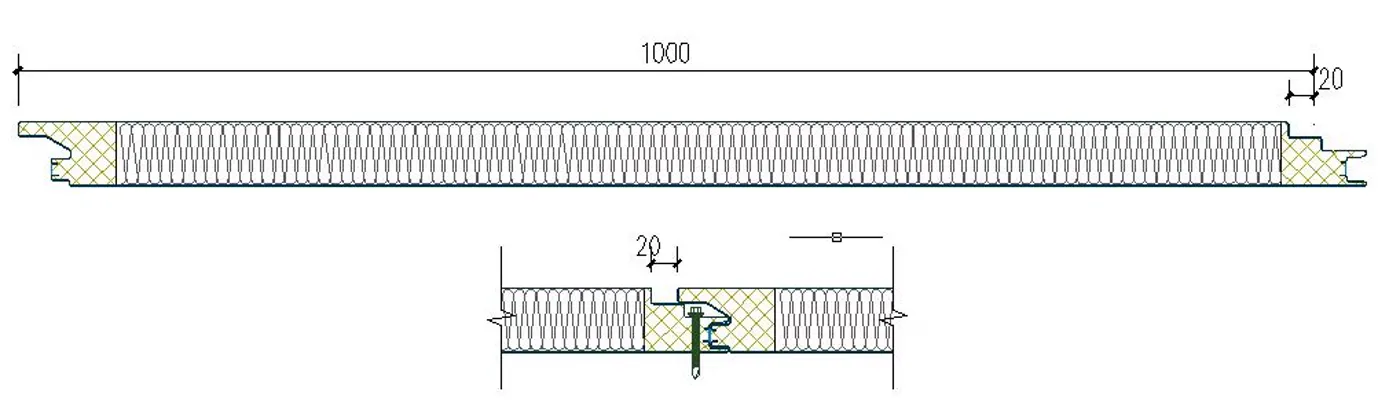
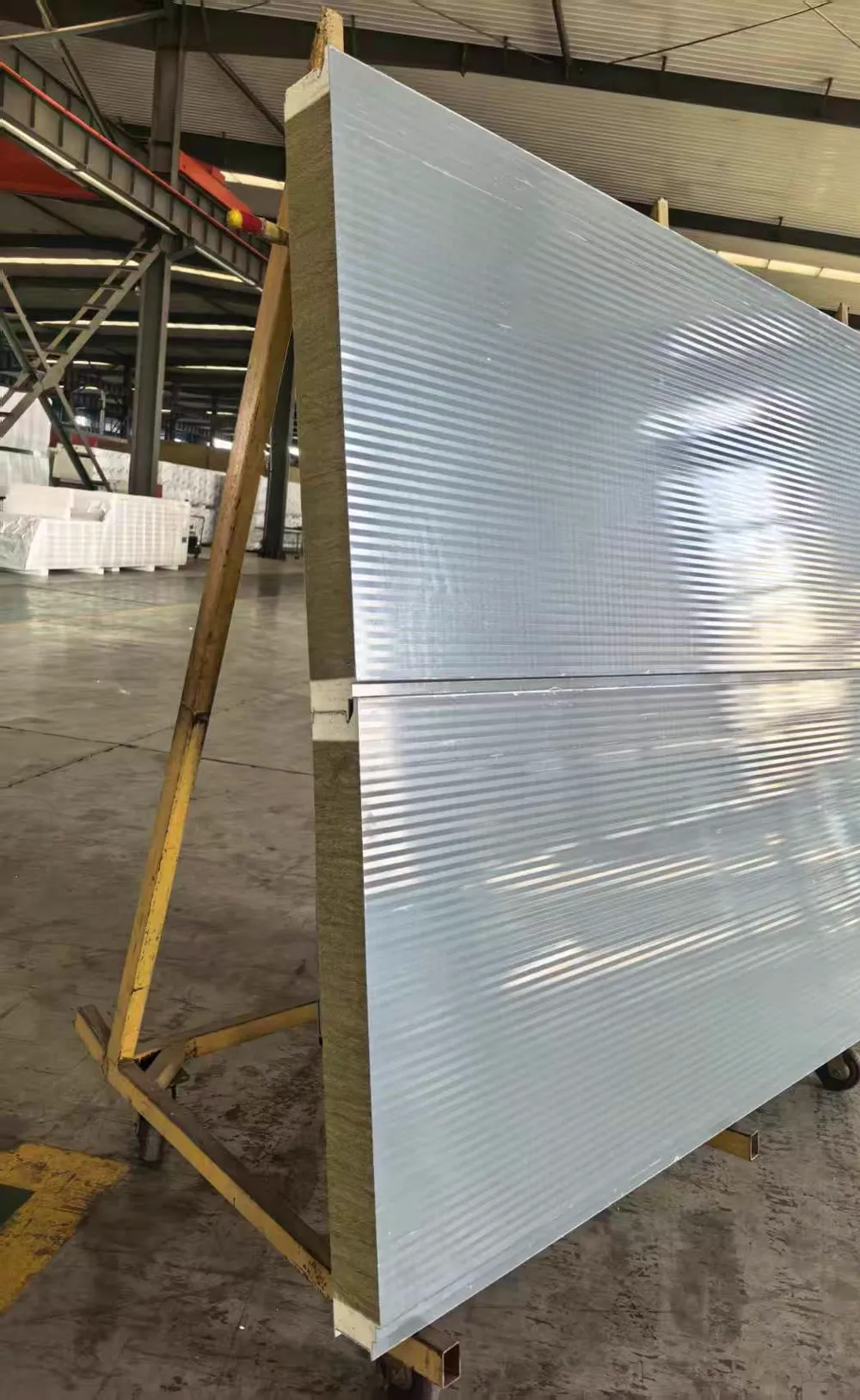
A PU edge-sealed rock wool panel has a non-combustible rock wool core with polyurethane foam at both edges. The PU seal makes the joints tighter and improves insulation and water resistance, while the rock wool core keeps the fire performance.
Ask for a quotation Installation support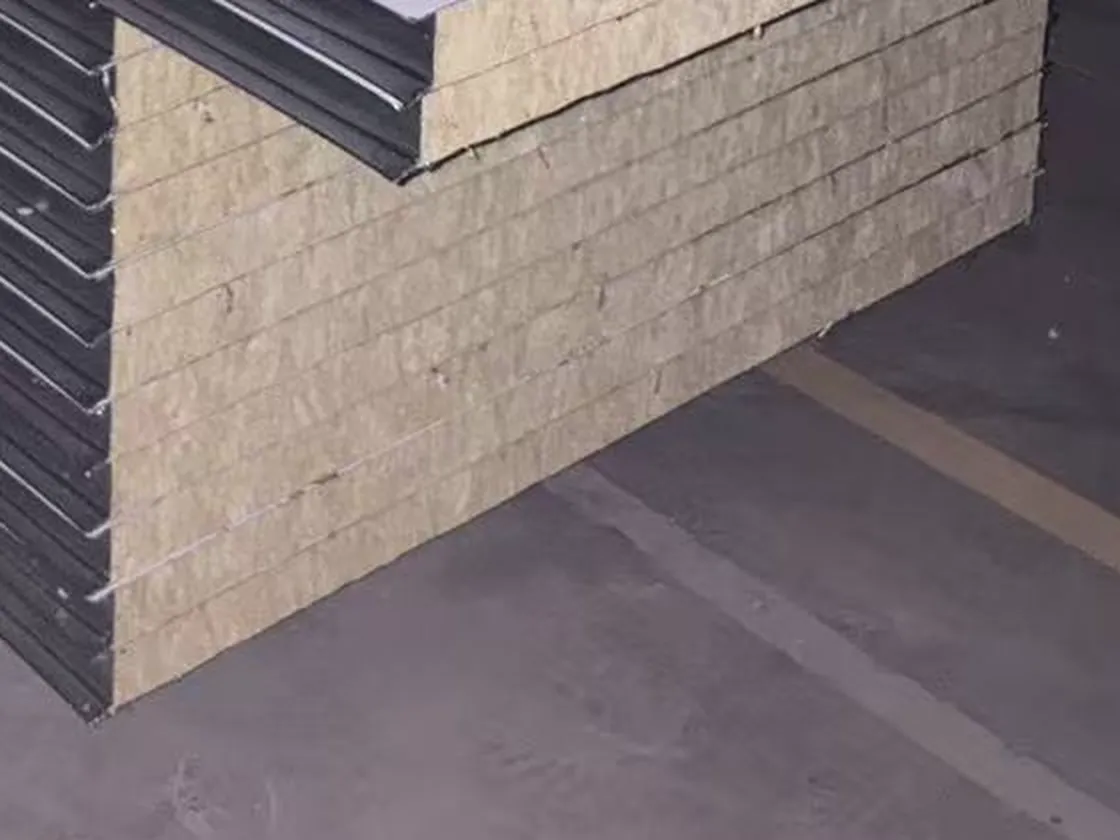
- Factory and warehouse walls that need a fire-rated core
- Cold-chain and food buildings that need tight joints
- Roofs where rock wool fire performance and better joint sealing are both required
Compare panel cores
| Core | Fire behaviour | Insulation | Weight | Cost |
|---|---|---|---|---|
| EPS (polystyrene) | Combustible — not for fire zones | Good | Light | Lowest |
| PU / PIR | Limited (PIR better) | Best | Light | Medium |
| Rock wool | Non-combustible core | Good | Heavier | Medium |
| PU edge-sealed rock wool | Non-combustible core | Very good | Medium | Medium |
| Silica rock | Non-combustible core | Good | Medium | Medium |
| Hollow MgO | Non-combustible core | Moderate | Medium | Medium |
| Paper / aluminium honeycomb | Non-combustible core | Moderate | Light | Medium |
What to specify for a quotation
- Wall or ceiling use, room heights and areas (or the drawing)
- Panel thickness and width series
- Face sheet: colour-coated steel or stainless steel, thickness and colour
- Joint type: tongue-and-groove, centre aluminium or male–female
- Fire, hygiene or test documents required by your project
- Destination port and delivery date
Questions
How is it different from a normal rock wool panel?
The edges are filled with PU foam instead of rock wool, so the joint closes tighter and stops air and water better.
Is the panel still non-combustible?
The rock wool core is non-combustible; request the test report for the exact panel assembly your project needs.