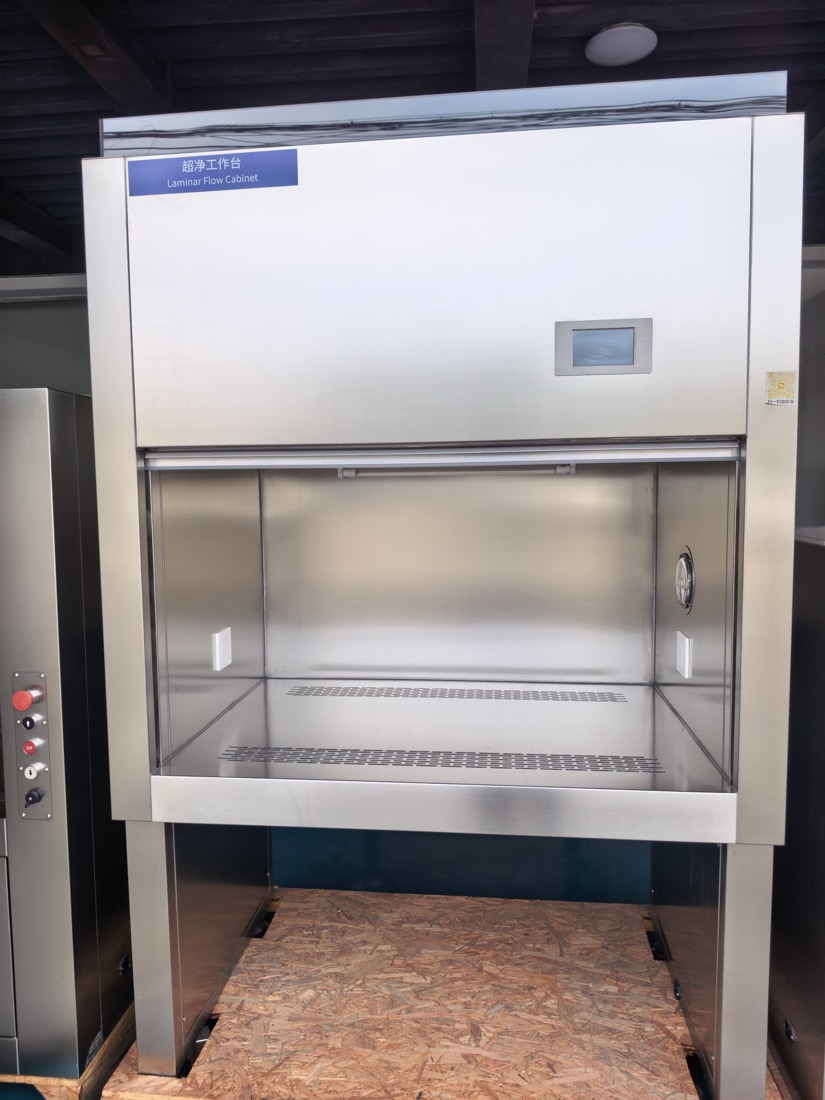
Clean Benches and Laminar Flow Hoods
A clean bench protects the product at a working area with filtered airflow. It is not a biological safety cabinet. Buyers are laboratories and production teams that need a local clean work zone. We supply benches, hoods and weighing booths in the same quotation as the room; they are bought in and checked before shipping.
Best for
- Product-protection tasks at a working area
- Local clean zones inside a controlled room
- Laboratory and production preparation with non-hazardous materials
Specifications
Typical specification
| Type | Horizontal clean bench: product protection at a working area |
|---|---|
| Not suitable for | Potentially infectious or other hazardous materials; it is not a biological safety cabinet |
| Airflow direction | Confirmed for the offered model |
| Usable work area | Set from your task and confirmed on the drawing |
| Evidence to request | Airflow and filter test evidence; acceptance tests agreed in the quotation |
| Related units | Laminar flow hoods (suspended, fixed or freestanding), movable laminar-flow carts, powder weighing booths |
| Service access | Access to filters and controls shown on the drawing |
Options
What you can specify
- Horizontal clean bench
- Laminar flow hood: suspended, fixed or freestanding
- Movable laminar-flow cart for product transfer
- Powder weighing booth
How to choose a clean bench
Start with the task and the material. A clean bench protects the product. It does not protect the operator or the room from hazardous material, so it is not a biological safety cabinet. The CDC/NIH BMBL, 6th edition, Appendix A explains the difference.
Have the responsible specialist confirm that the equipment suits the real process. A laminar flow hood is chosen by how it is mounted: suspended, fixed or freestanding. Use a separate brief for each item, because a bench, hood, weighing booth and cabinet have different tasks and interfaces.
Clean bench, laminar flow hood or biosafety cabinet?
| Device | Air path | Protects |
|---|---|---|
| Horizontal clean bench | HEPA air from the back, across the work, toward the user | Product only |
| Vertical clean bench | HEPA air downward, out into the room under the sash | Product only |
| Laminar flow hood | Filtered air down over a work zone; suspended, fixed or freestanding | Product only |
| Class II biosafety cabinet | Room air drawn in at the front, HEPA downflow and exhaust | Operator, room and product |
In common use, "laminar flow hood" and "clean bench" name the same kind of device. BMBL calls them clean benches or clean air devices, and says they are not biosafety cabinets. We do not supply biosafety cabinets on this page.
What BMBL says may and may not go on a clean bench
- Not allowed: cell culture materials, drug formulations, potentially infectious materials or other potentially hazardous materials. The worker sits downstream of the work and is exposed.
- Listed uses, horizontal bench: dust-free assembly of sterile equipment or electronic devices.
- Listed uses, vertical bench: hospital pharmacy intravenous preparation and nucleic acid preparation for PCR.
If the material is hazardous or infectious, choose a biosafety cabinet. See laminar flow hood vs clean bench vs biosafety cabinet.
Air speed at the work
FDA's 2004 aseptic guidance gives 0.45 m/s ±20% for unidirectional flow; EU GMP Annex 1 para 4.30 gives 0.36 to 0.54 m/s at the working position as a guidance value.
Worked example, assumed size: a 1.2 × 0.6 m filter face is 0.72 m². At 0.36 m/s that is 0.72 × 0.36 × 3,600 = 933 m³/h; at 0.54 m/s, 1,400 m³/h. This is a design check only. Test velocity where your protocol says.
What to specify in an enquiry
Describe the task, the materials handled, the working position and the work area you need. Add the airflow direction, room conditions, cleaning agents and methods, and the power supply and controls. Show space for maintenance and for replacing filters. List the drawings, instructions and tests you want, and who installs and checks the unit.
Quote checklist
| Send | Why |
|---|---|
| Task and materials handled | Confirms a clean bench is the right device |
| Work area (W × D) and working height | Sets the model |
| Bench, hood (suspended, fixed, freestanding), cart or weighing booth | Different products |
| Room class around the unit | The unit sits inside the room design |
| Voltage and frequency | Fan and controls |
| Cleaning agents | Surfaces and seals |
| Tests you want at handover | Air velocity, filter leak test |
| Quantity and destination | Packing and freight |
What goes wrong on site
A bench is bought for work it was not made for, such as hazardous material. A filter label is taken as proof that the whole unit suits the process. It is not: the complete arrangement must be reviewed.
Hoods fixed to the ceiling also need a support design, and the unit needs space for filter access.
Laminar flow hood vs clean bench vs biosafety cabinet
Questions
Common questions
Is a clean bench the same as a biosafety cabinet?
No. A clean bench protects the product at a working area. It is not a biological safety cabinet and is not suitable for potentially infectious or other hazardous materials.
Can a filter label confirm that a bench or hood suits my process?
No. A filter label does not establish the suitability or performance of the complete equipment. Ask for the actual arrangement to be reviewed against your process and protection requirements.
What should I send for a clean bench quotation?
The task, materials, working position, work area, room conditions, cleaning agents, power supply, service access and the acceptance tests you want, with quantity and destination.
Are clean benches and pass boxes the same equipment?
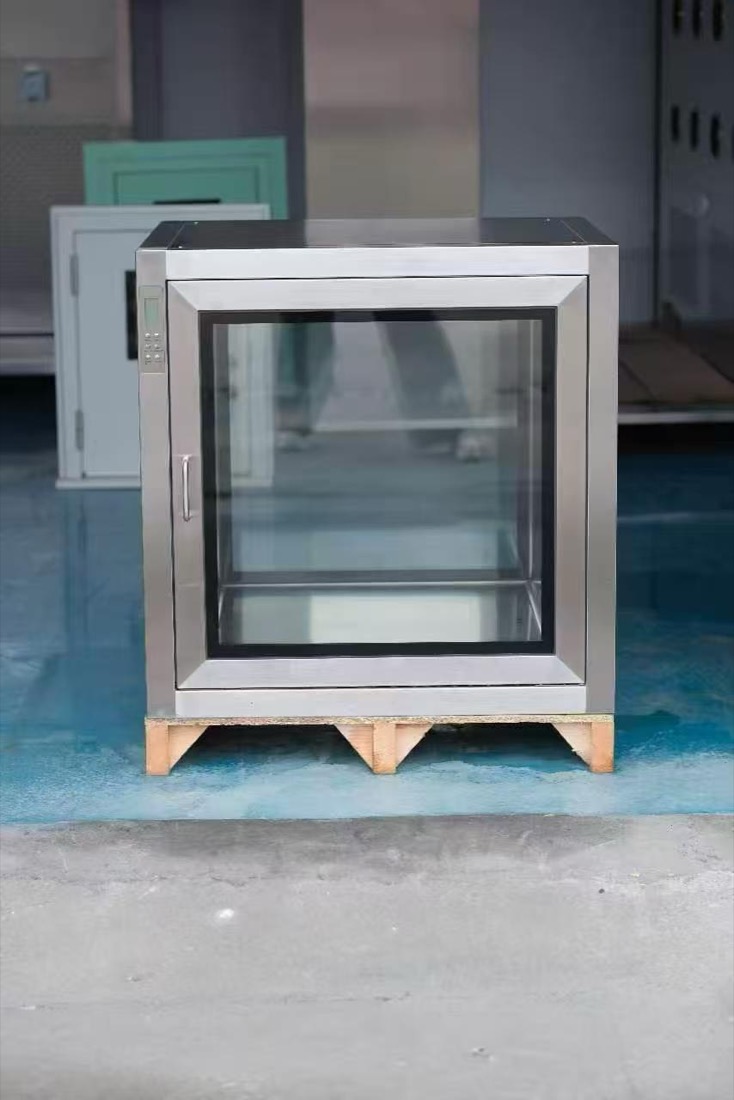
No. A pass box moves materials between zones. A clean bench serves a task at a working area. Specify each on its own.
Is a laminar flow hood the same as a clean bench?
In common use, yes: both blow HEPA-filtered air over the work to protect the product. We list hoods by how they are mounted (suspended, fixed or freestanding) and benches as work-surface units.
Can I use a clean bench for cell culture?
No. The CDC/NIH BMBL says clean benches should never be used with cell culture materials, drug formulations or potentially infectious materials, because the operator is downstream of the work. Use a biosafety cabinet.
Project enquiry
Send what you have
A room list, a floor plan or only the floor area is enough to start. After you submit, send drawings by email or WhatsApp.
We reply by email within one working day. We can sign an NDA before you send drawings.
WhatsApp +44 7962 561184 is our UK number for export enquiries. The factory is in Tianjin, China.
Email: [email protected]
WhatsApp: +44 7962 561184